 01.06.2026: Purdue University and EPLAN USA Visit SPANGLER
01.06.2026: Purdue University and EPLAN USA Visit SPANGLER
Deutsch
Töging, June 1, 2026 – International knowledge transfer between universities, industry and automation technology: How are the skilled professionals of tomorrow being prepared for the challenges of an increasingly connected and global industry? What role do international partnerships play in driving innovation in automation technology? And how can successful transfer between academic education and industrial practice be achieved?
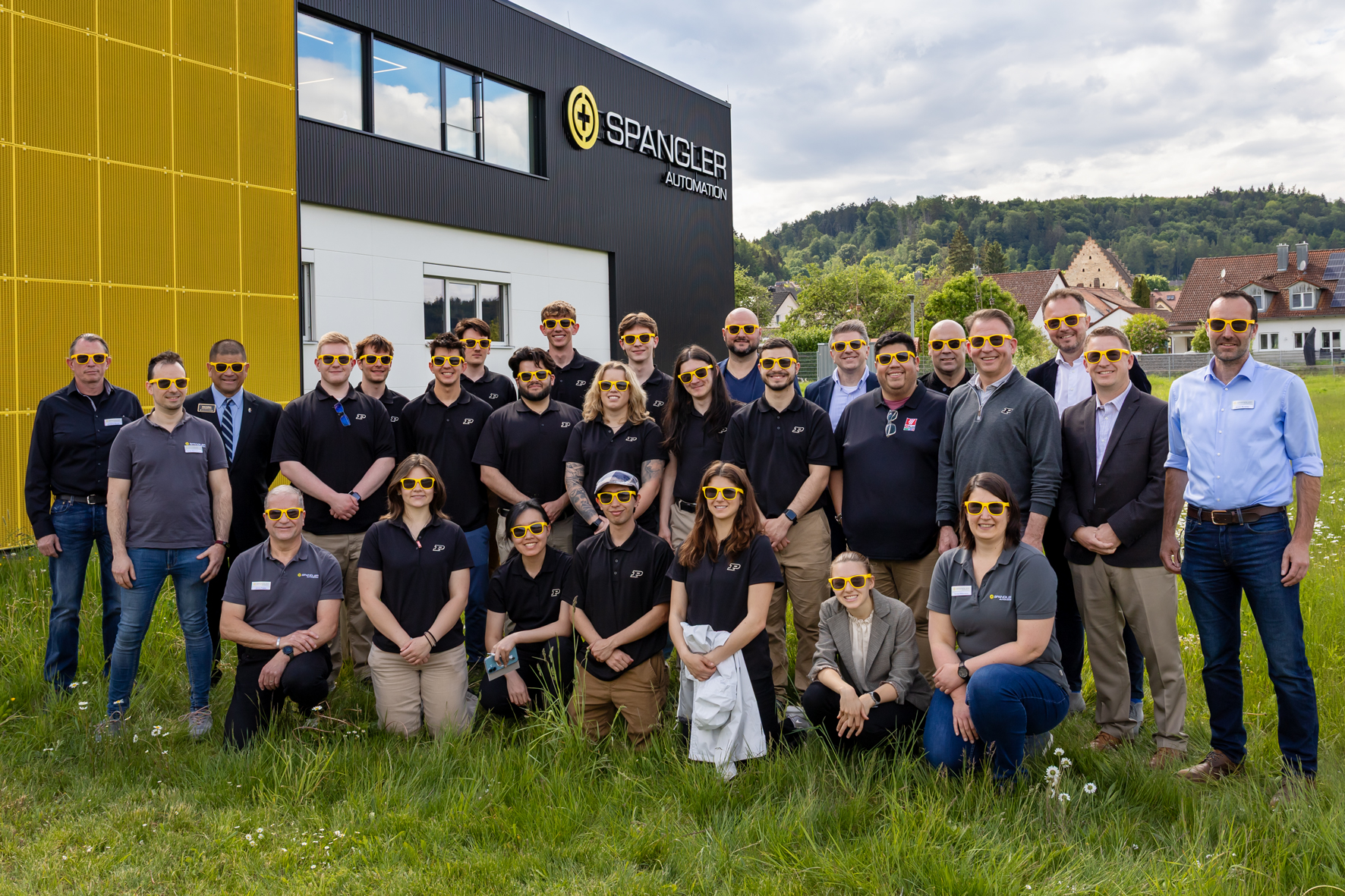
These questions were the focus of a special visit to Spangler GmbH in Töging. Together with Michael Jeschke, Vice President of EPLAN USA, professors, research associates, a doctoral candidate and around 20 students from Purdue University visited the Bavarian family-owned company to gain insights into modern automation solutions, international project work and current developments in engineering. Purdue University, located in the U.S. state of Indiana, is one of North America’s leading technical universities and enjoys an international reputation, particularly in the fields of engineering, technology and industrial research. As part of a trip to Germany, the delegation visited selected industrial companies as well as the EPLAN Next 26 event in Munich.
International Markets as Part of Everyday Business
For Spangler, the visit was far more than a traditional company tour. As an internationally active automation partner, the company has been developing and implementing customized solutions for mechanical and plant engineering for more than four decades. Spangler supports customers from planning and project engineering through software development and control cabinet construction to installation, commissioning and service. Projects have already been successfully implemented in more than 45 countries. The discussions focused on current developments in the automation industry, the requirements of international markets and the increasing digitalization of engineering and production processes.
The guests gained practical insights into real customer projects and the challenges involved in implementing complex automation solutions for different countries and industries. International collaboration has been an essential part of our business for many years. Exchange with universities, students and technology partners opens up new perspectives and provides valuable inspiration for the further development of technologies, processes and skills,” explains Christian Brandmüller from the management team of Spangler GmbH.
When Science Meets Industrial Practice
A particular added value of the visit lay in the direct dialogue between academia and practice. The students used the opportunity to exchange ideas with specialists from engineering, project management and automation technology and to gain insight into the requirements of international industrial projects. It became clear how closely technological innovation, economic conditions and global collaboration are interconnected today. Topics such as engineering standards, digital processes, automation concepts and international customer requirements were just as much in focus as the question of which skills will be required in technical professions in the future.
Practical Insights into Global Projects
At Spangler, the international perspective plays a central role not only in project business, but also in training. For many years, the company has invested specifically in the development of young skilled professionals and enables its apprentices, among other things, to complete internships abroad lasting several weeks in order to gain international experience, improve their language skills and strengthen their intercultural competence. For Teresa Wittmann, who organized and accompanied the visit and is responsible at Spangler for training and student support, among other areas, these encounters are an important part of modern workforce development: “Especially for students, it is valuable to experience industrial practice outside their own university environment. The discussions showed how important direct exchange between academia and companies is for the development of future tech
Networks Create the Future
The visit by Purdue University underlines the growing importance of international networks for innovation, workforce development and technology transfer. At a time when industrial value chains are becoming increasingly globally interconnected, exchange between universities, industrial companies and technology partners is gaining further significance. For Spangler, this dialogue is an important building block for absorbing new impulses, integrating international perspectives and actively helping to shape the transfer of knowledge between academia and industrial practice. The company intends to further expand this path in the future and continue offering students, researchers and educational institutions from around the world insights into the practical application of modern automation technology.
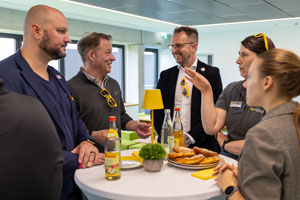
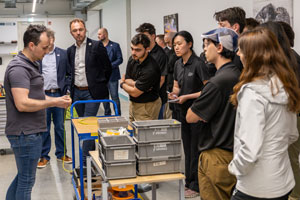
Image source: SPANGLER GMBH, Kerstin Obermeyer
SPANGLER Automation – Automation Solutions for Machinery and Industrial Plants
SPANGLER Automation is a family-owned, medium-sized company based in Töging, Altmühltal, Bavaria. For 45 years, SPANGLER has been developing future-proof automation solutions for machinery and industrial plants – serving customers in Germany and around the world.
Its clients include successful industrial companies, innovative machine manufacturers, and municipal operators who rely on dependable technology and long-term operational reliability. SPANGLER delivers customized control and process control systems precisely tailored to each individual machine or plant – from standalone systems to complex overall installations.
Around 160 employees combine modern technologies with many years of industry expertise, ensuring safe, efficient, and cost-effective operations.
Core industries include environmental technology, renewable energy, the food and pharmaceutical industries, automotive, as well as the agricultural and raw materials industries.
PurdueUniversity_Group (1,8 MB)